January 25, 2020
Toxic Mold Delivery: Cross-Contamination From a Moldy Package
By FixAIRx Team
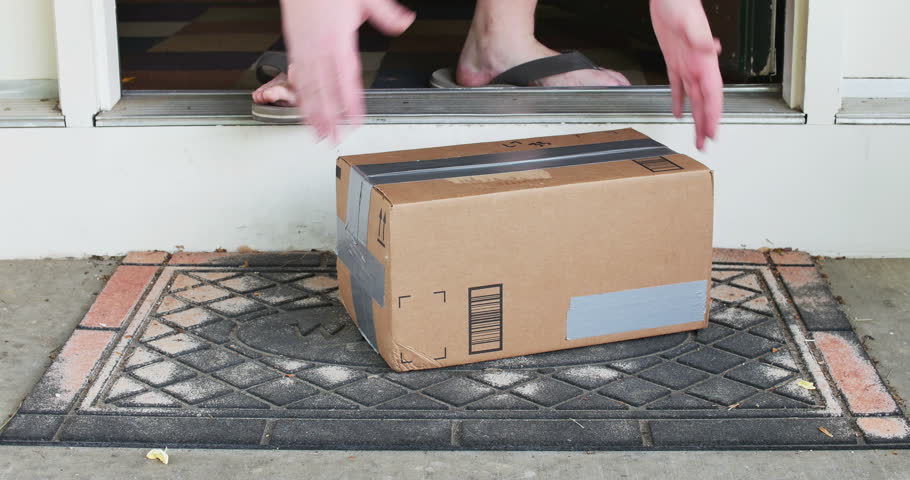
A package arrived at my door, and when I opened the outer box I caught a smell I know well from this work: the musty odor of mold. Within a minute or two I had a pressure headache across my forehead. That is my own reaction to a strong mold exposure; everyone is different, and I am sharing it as a first-person example, not as a diagnosis for anyone else. It was a useful reminder that mold does not only travel through a building. It can ride in on the things we have shipped to us, especially anything packed in damp cardboard.
A few things worth knowing about how mold behaves.
Mold is everywhere, and it needs moisture to grow. Mold spores are a normal part of the environment indoors and out, and they help break down dead organic material. The spores themselves are not the problem; moisture is. Give spores a damp, cellulose-rich surface (cardboard, paper, drywall) and they will start to grow. The EPA notes that if damp materials are dried within 24 to 48 hours, in most cases mold will not grow. That short window is why a wet box left sitting can become a moldy box.
Molds can trigger reactions in sensitive people. For some people, mold exposure leads to symptoms like a stuffy nose, irritated eyes, coughing, or a skin rash, and people with asthma or mold allergies can react more strongly. Some molds also produce mycotoxins. It is worth being accurate here: while certain mycotoxins are toxic in high-dose laboratory and agricultural settings, public-health agencies are clear that a link between everyday indoor mycotoxin exposure and specific systemic illnesses has not been proven. The practical takeaway is not to panic about "toxic mold," but to deal with visible mold and the moisture behind it.
Spores can go airborne, including into your HVAC. Disturbing mold (like opening that box) can put spores into the air, where your heating and cooling system can pick them up and move them around the building. That is why a localized mold problem is worth addressing before it spreads.
In Texas, confirming and remediating mold is a licensed activity. You do not need to identify the exact species of mold; the CDC says all molds should be treated the same way for removal. But in Texas, a licensed Mold Assessment Consultant (licensed through the Texas Department of Licensing and Regulation) is the one who can formally assess a property and write the remediation protocol that a remediator then follows. If you think you have a mold problem, that independent assessment is the right first step.
If you have an air-quality concern, that is exactly what we help with: independent assessment and documentation, so you know what you are actually dealing with before anyone starts tearing out walls.
Sources
- US EPA, A Brief Guide to Mold, Moisture and Your Home (mold grows within 24-48 hours of water; moisture control is key)
- US CDC, About Mold (molds can cause allergic-type symptoms in sensitive people; who is most at risk)
- US CDC, Facts About Stachybotrys chartarum (no test proves an association between black mold/mycotoxins and particular health symptoms; all molds treated the same for removal)
- Texas Department of Licensing and Regulation, Mold Assessors and Remediators program