March 29, 2019
Got A Mold Mess? The Do's And Don'ts
By FixAIRx Team
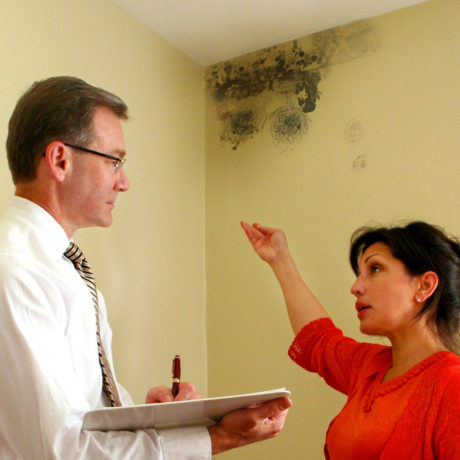
Finding mold in your home or office can be unsettling, but do not panic. It is usually fixable when it is handled correctly. Here is what to avoid and what to actually do.
The Don'ts
Do not count on bleach to "fix" mold. The EPA does not recommend using bleach or other biocides as a routine practice for mold cleanup. Part of the reason is that killing mold is not the same as removing it: dead mold can still cause allergic-type reactions, so the goal is to physically remove the growth and fix the moisture, not just spray something on it.
Do not just wipe your HVAC registers and call it done. If mold is showing up on supply registers, treat that as a sign the system itself may be involved, not as a surface stain. Air-duct work varies a lot in quality, and careless cleaning can dislodge spores into the airflow. For a contaminated system, use qualified HVAC professionals, and consider an assessment first.
Do not paint or caulk over mold. The EPA is explicit: clean up the mold and dry the surface before painting, because paint applied over mold simply peels. Painting over a problem hides it; it does not remove it.
Do not mask a musty smell with air fresheners or mothballs. That smell is information. Covering it adds more chemicals to your indoor air (mothballs release naphthalene) without addressing the source.
Do not do a quick cosmetic cover-up. Disturbing mold without containment can send spores airborne and into the HVAC system. Larger or hidden growth is a job for proper remediation.
The Do's
Do find the source of the water. Mold grows where it has moisture and a food source. Until you stop the water (a leak, condensation, humidity), you will not stop the mold. Moisture control is the single most important step.
Do clean small areas the way the EPA recommends. For a small patch of mold on a hard surface, scrub it off with detergent and water and dry the surface completely. You do not need to identify the species first; the CDC says all molds should be treated the same for removal.
Do protect yourself while you work. Disturbing mold releases spores that can irritate the eyes, skin, and airways. The EPA recommends wearing an N-95 respirator, gloves, and goggles without ventilation holes during cleanup.
Do get a professional assessment when it is bigger than a small patch. When visible mold is present, sampling is usually unnecessary just to confirm you have mold. But for larger areas, anything inside wall cavities or HVAC, water-damaged buildings, or any situation you are unsure about, an independent licensed assessment tells you the real extent and what remediation is actually needed. Skip the consumer DIY test kits as a basis for decisions; they are not a reliable substitute for that.
Do keep up with your air filters. Replace them on the manufacturer's schedule to help keep your system and your indoor air cleaner.
Do talk to your doctor about symptoms. If you or your family are having health symptoms you think are related to mold, see your primary care provider. People with asthma, mold allergies, or weakened immune systems can react more strongly and should be especially careful.
Sources
- US EPA, A Brief Guide to Mold, Moisture and Your Home (biocides/bleach not recommended as routine practice; sampling usually unnecessary; N-95 + gloves + goggles; moisture control is key)
- US EPA, Mold Cleanup in Your Home (scrub mold off hard surfaces with detergent and water; do not paint or caulk moldy surfaces)
- US CDC, About Mold (symptoms; who is most at risk; see a provider about health concerns)
- US CDC, Facts About Stachybotrys chartarum (all molds treated the same for removal; no proven link to particular symptoms)